Built-in Hobs care guide
Built-in hob installation and care: burners, ignition and a clean glass top
A built-in hob sits flush in the countertop, which gives the kitchen a clean, continuous look and makes the surface easier to wipe down. Because it is fixed into the counter and connected to gas or power, a built-in hob depends on getting the installation right, and on a few simple habits afterwards to keep every burner lighting cleanly.
Understanding your built-in hob
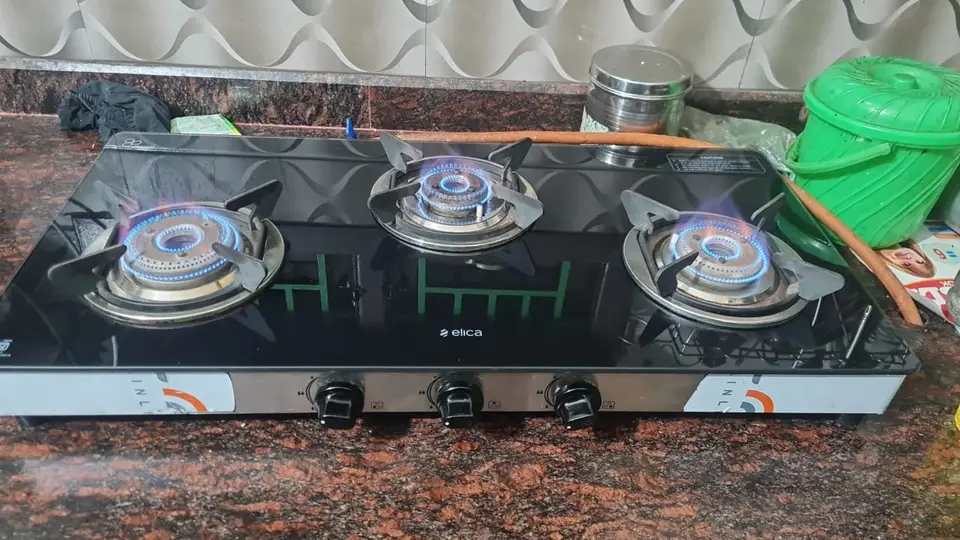
Built-in gas hobs have burners set into a toughened glass or steel top, with knobs on the front or top surface. Most use auto-ignition, which creates a spark when you turn and press the knob. Underneath the counter sit the gas connection and, for auto-ignition, a power connection.
Because the hob is cut into the counter, the opening has to match the model's cut-out size, and there must be room below for the gas pipe and ventilation.
Common uses and benefits
- A flush, modern countertop that is easy to keep clean
- Multiple burner sizes for different vessels and cooking styles
- Auto-ignition that removes the need for a separate lighter
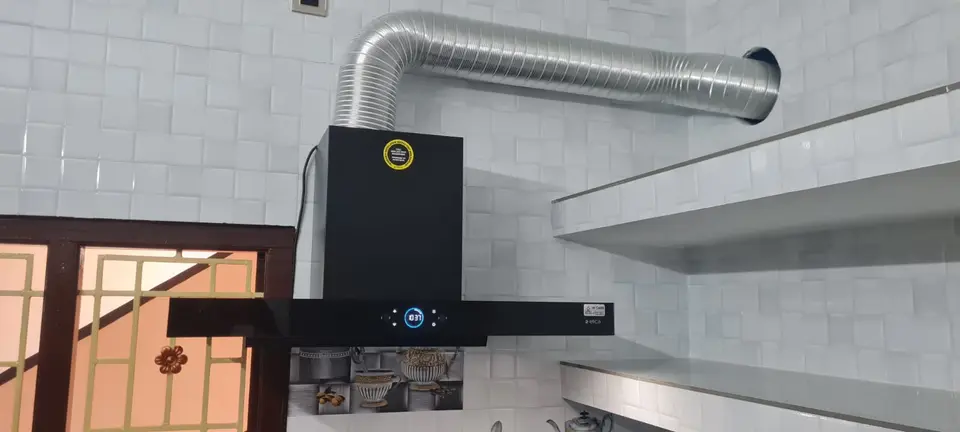
- Works well under a matching chimney for a coordinated cooking zone
Features and things to consider
- Cut-out size: the counter opening must match the dimensions in the hob's manual. Cutting granite or quartz is not easily undone, so measure carefully.
- Gas connection: the hose or pipe should be suitable for the gas type, not stretched or kinked, and easy to inspect.
- Power point: auto-ignition hobs need a power point within reach below the counter.
- Clearance: leave the clearances recommended by the manufacturer from walls, cabinets and the chimney above.
- Leak check: every new connection should be checked for leaks before the hob is used.
Common built-in hob problems
- Burner will not light
- Often a damp or dirty ignition electrode, a misaligned burner cap or blocked burner holes.
- Yellow or uneven flame
- Blocked burner ports or a burner cap that is not seated properly; a flame that stays yellow should be checked.
- Clicking that does not stop
- Moisture around the igniter or a fault in the ignition switch.
- Knob stiff or loose
- Grease build-up around the spindle or a worn knob.
Cleaning and care tips
- Let the hob cool completely before cleaning.
- Lift off pan supports and burner caps and wash them in warm soapy water. Dry them fully before refitting.
- Clear blocked burner holes gently with a soft brush or a pin; never enlarge the holes.
- Wipe the glass top with a soft cloth and a mild cleaner made for glass. Avoid steel wool and harsh scrubbers that can scratch.
- Wipe up spills as soon as the surface is safe to touch, before they bake on.
- Make sure burner caps sit flat and centred so the flame spreads evenly.
When to call a professional
- You smell gas. Turn off the gas supply, open windows, avoid switches and flames, and call your gas supplier's emergency line first.
- A burner still will not light after cleaning and drying
- The glass top is cracked or chipped
- You are installing a new hob or changing the counter cut-out
- The ignition keeps clicking after the knob is released
Need built-in hob service in Chennai?
MM Enterprises installs, repairs and maintains built-in hobs across Chennai. Service starts from ₹349.