Kitchen Chimneys care guide
Kitchen chimney maintenance: filter cleaning, grease removal and strong suction
A kitchen chimney does quiet, constant work: it pulls smoke, steam and oily vapour away from the cooking area before they settle on walls and cabinets. In kitchens where tadka, deep-frying and long simmering are part of daily cooking, that work adds up quickly. Most chimney complaints, from weak suction to extra noise, trace back to one thing: grease that has been allowed to build up.
Understanding your kitchen chimney
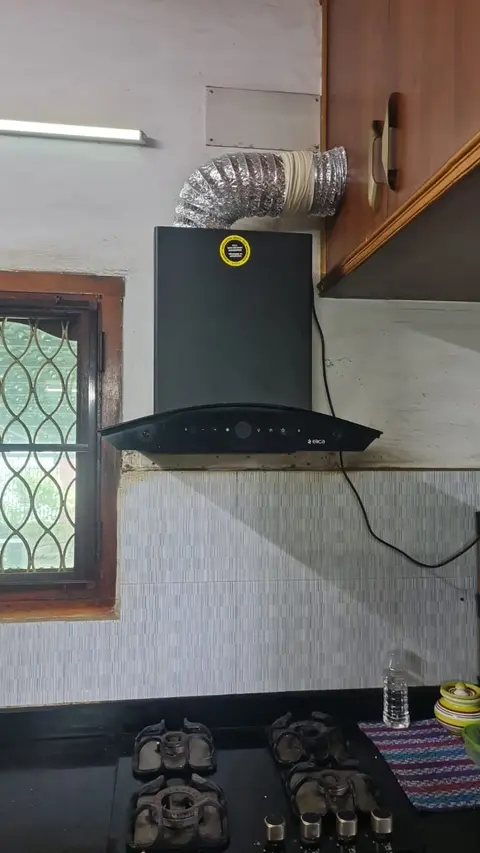
A chimney has three working parts that matter for everyday care: the filters that catch grease, the motor and blower that create suction, and the duct that carries air outside (or, in recirculating models, back into the room through a carbon filter).
Filters are usually baffle filters (angled metal panels that make grease drop out of the airflow) or mesh filters (layered metal screens). Some chimneys are filterless and collect oil in a removable cup or tray instead. Whichever type you have, the principle is the same: grease that is not removed eventually restricts the airflow.
Common uses and benefits
- Keeps smoke and cooking smells from spreading through the house
- Reduces the sticky layer that oily vapour leaves on tiles, cabinets and ceilings
- Draws heat away from the cook, which makes long cooking sessions more comfortable
- Adds task lighting directly over the hob
Features and things to consider
- Size: a chimney at least as wide as the hob captures smoke more effectively.
- Mounting height: too high and suction weakens at the cooktop; too low and it gets in the way. Follow the height given in your model's manual.
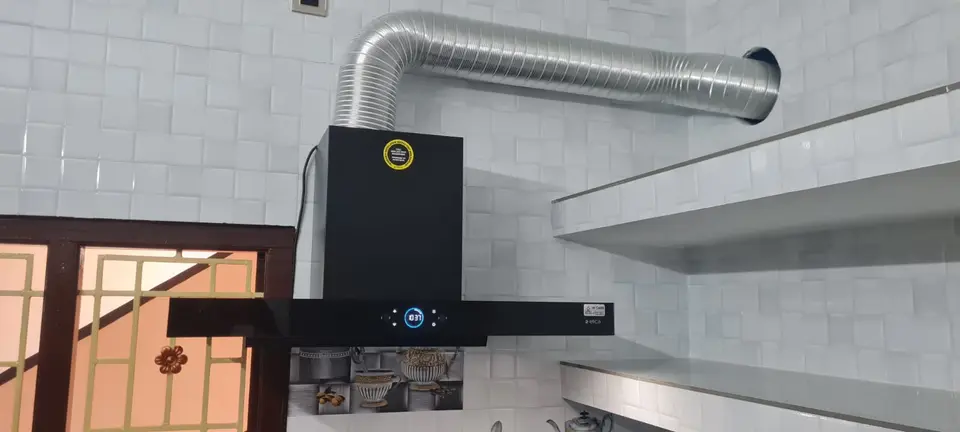
- Duct route: a short duct with as few bends as possible lets air move freely. Long or sharply bent ducts make the motor work harder.
- Filter type: baffle filters suit heavy Indian cooking well and are easy to wash; mesh filters need more frequent cleaning.
Common kitchen chimney problems
- Weak suction
- Usually clogged filters or a blocked duct. Clean the filters first; if suction stays weak, the duct or blower may need attention.
- More noise than usual
- Grease on the blower, a loose panel or a worn part can all change the sound of the motor.
- Oil dripping from the hood
- The filters or oil collector are full, or grease has built up inside the hood.
- Lights or controls not responding
- Can be a switch, wiring or control-panel issue, which is best checked by a technician.
Cleaning and care tips
- Switch the chimney off and unplug it before removing filters.
- Soak baffle or mesh filters in hot water with a little dishwashing liquid, then scrub gently with a soft brush. Rinse and let them dry completely before refitting.
- Empty and wash the oil cup or collector regularly if your chimney has one.
- Wipe the outer hood with a damp cloth and mild detergent. Avoid abrasive pads on glass and painted or steel finishes.
- Run the chimney for a few minutes after you finish cooking so lingering vapour is cleared.
- In a heavy-cooking kitchen, check the filters every couple of weeks; you will soon learn how often yours needs cleaning.
When to call a professional
- Suction stays weak even after the filters are clean
- The motor hums but the blower does not turn, or it makes grinding sounds
- You notice a burning smell, sparking or flickering lights
- You are installing a new chimney or changing its position or duct route
- It is time for a deep clean of the hood interior and blower, which needs partial dismantling
Need kitchen chimney service in Chennai?
MM Enterprises installs, repairs and maintains kitchen chimneys across Chennai. Service starts from ₹499.